
Shopping for a personal watercraft in 2026 means weighing more options than ever before. The electric jet boat price question sits at the top of most buyers' minds, and for good reason. These battery-powered machines range from entry-level models around $6,000 to premium builds exceeding $25,000. Understanding what drives these price differences helps you spend smarter and get more time on the water.
At Wave-Vo, we manufacture compact electric jet boats built for grab-and-go convenience, so we've watched this market evolve from the inside. We've seen buyers overpay for features they'll never use and others miss out on performance upgrades worth every dollar. Whether you're eyeing a nimble personal craft like ours or a larger electric vessel, this guide covers the full 2026 pricing spectrum, what you'll pay, what factors shift the cost, and exactly what you get at each price point.
What an electric jet boat is and who it fits
An electric jet boat runs on battery power instead of gasoline, using an electric motor to drive a jet propulsion system. This system pulls water through an intake and shoots it out the back at high pressure, creating thrust. You'll find no exposed propellers, which makes these boats safer around swimmers and reduces maintenance compared to traditional outboards. Most personal electric jet boats seat one or two riders and prioritize portability over cabin space.
The boats you'll shop for in 2026 split into two categories. Personal models focus on portability, quick acceleration, and tight turns. The Wave-Vo hull weighs 75 kg (165 lb) without the battery; check vehicle dimensions and loading arrangements before transport. Larger electric jet boats stretch 12 to 20 feet, carry four to eight passengers, and often include seating, storage compartments, and more powerful motors. Both types rely on lithium-ion battery packs, but the size and voltage vary wildly depending on the boat's intended use.
The core design that separates them from other watercraft
Electric jet boats trade long-range cruising for instant torque and zero emissions. You'll hit full power the moment you press the throttle, with no engine warm-up or gear shifting. The battery systems in 2026 models range from 3 kWh in budget builds to over 20 kWh in premium vessels. Smaller batteries cut weight and cost but limit your ride time to 30 to 60 minutes per charge. Larger packs extend your range to two or three hours but add hundreds of pounds and push the electric jet boat price into five-figure territory.
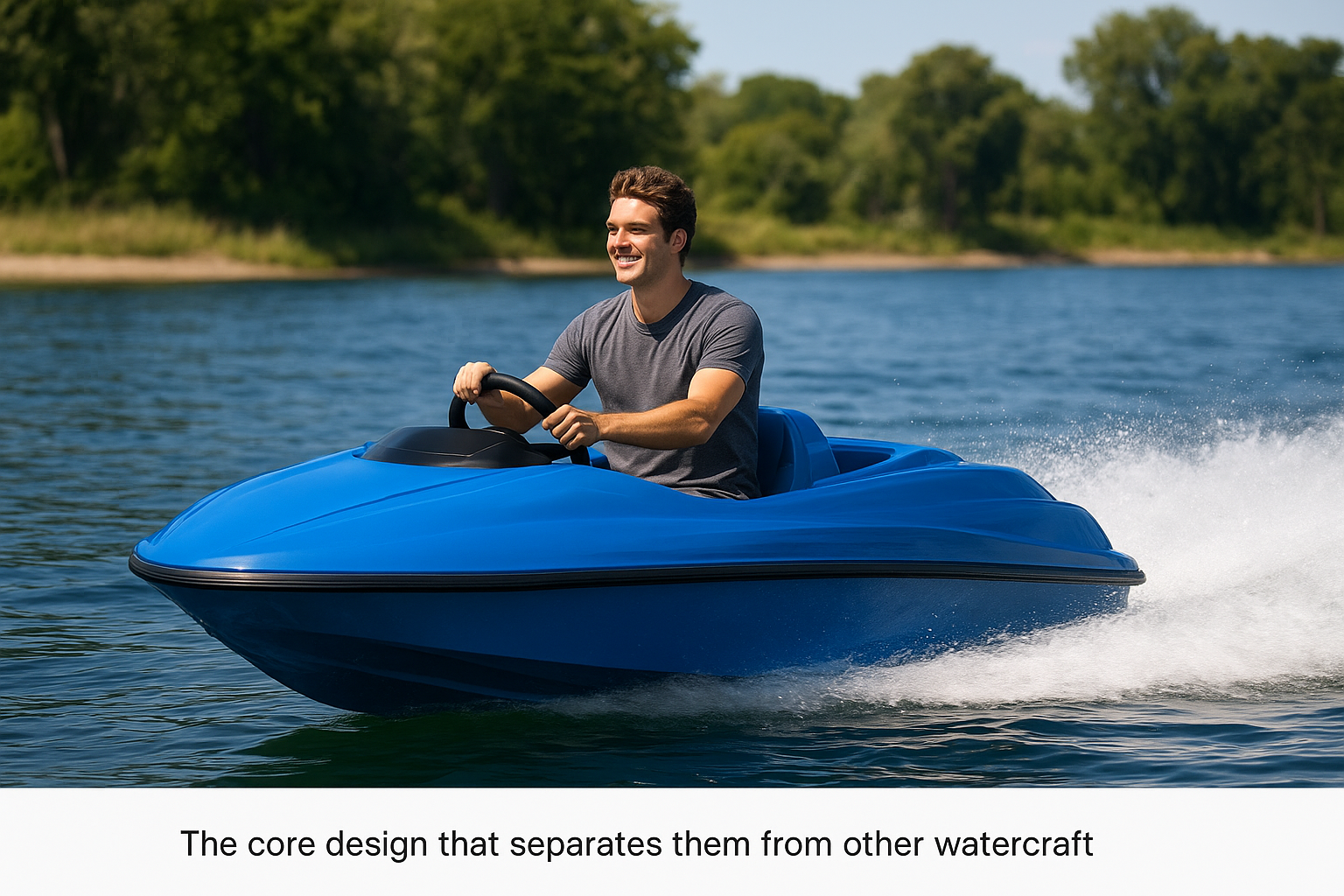
Most designs use jet pump impellers instead of traditional propellers, which lets you navigate in water as shallow as 12 inches. You'll drift through rocky riverbeds or weedy lake edges without worrying about prop damage. The sealed drive system also eliminates the oil leaks and exhaust fumes that gas-powered jet skis produce. If you launch from neighborhood docks or quiet lakes with noise restrictions, silent operation becomes a major advantage over screaming two-stroke engines.
"Battery-powered jet propulsion delivers the torque response of an electric vehicle with the agility of a racing go-kart, all without disturbing the water around you."
Who should consider buying one
You'll benefit most from an electric jet boat if you own lakefront property or live within 15 minutes of a boat ramp. These machines shine when you can launch quickly, ride for 30 to 90 minutes, and return home to charge overnight. Trailer owners who drive hours to launch sites often prefer gas boats with longer range, though swappable battery systems are starting to close that gap. If your typical outing involves short bursts of speed, carving turns, or practicing tricks, the electric format fits your riding style better than all-day cruising.
Families with young riders appreciate the simplified controls and lower risk profile. Most electric jet boats use twist-grip throttles or steering wheels instead of handlebars, which shortens the learning curve for first-time users. You won't deal with pull-start engines, choke levers, or carburetor adjustments. The lack of exposed props also reduces injury risk if someone falls off near the boat. Parents who want to minimize mechanical complexity and supervision time find these features worth the premium over used gas models.
Budget-conscious buyers who already own pickup trucks or SUVs can skip the trailer investment entirely with compact models. You'll load the boat into your truck bed or cargo area in under a minute, drive to the water, and hand-carry it to the shoreline. This approach works if you launch from beaches, low docks, or gentle slopes. Heavier models still require trailers, but you'll save on fuel costs and avoid marina gas prices, which averaged $6.50 per gallon across the US in late 2025.
Wave-Vo electric mini jet boat: key specs at a glance
The Wave-Vo electric mini jet boat reaches speeds up to 60 km/h powered by a 15 kW electric motor. Its hull weighs 75 kg (165 lb) without the battery, making it compact enough to transport in an SUV. The boat is crafted for water sports enthusiasts and adrenaline seekers alike.
What is the top speed?
The Wave-Vo electric mini jet boat reaches exhilarating speeds of up to 60 km/h.
What is the motor power?
A powerful 15 kW electric motor drives the jet propulsion system.
What is the hull weight and material?
The hull weighs 75 kg (165 lb) without the battery and utilizes high-quality ABS plastic for durability.
Who is this boat designed for?
This watercraft caters to adults eager to elevate their water sports experience. It is perfect for thrill-seekers looking to explore new water challenges and for those wanting a leisurely yet exciting ride.
Why electric jet boat prices vary so much
The electric jet boat price gap between a $6,000 entry model and a $25,000 premium build comes down to five core factors. Battery capacity accounts for the largest cost swing, followed by motor wattage, hull materials, production scale, and brand positioning. You'll see two boats with similar dimensions priced $10,000 apart because one uses a 5 kWh lithium iron phosphate pack while the other carries a 15 kWh NMC battery array. The motor and battery alone represent 60 to 70 percent of the total manufacturing cost in 2026.
Battery capacity and chemistry
Your ride time depends directly on how many kilowatt-hours the boat packs under the deck. Budget models install 3 to 5 kWh batteries that deliver 30 to 45 minutes of mixed riding, while mid-tier boats jump to 8 to 12 kWh for 60 to 90 minute sessions. Premium vessels push 15 to 20 kWh, giving you two to three hours between charges. Each additional kWh adds roughly $400 to $700 to the retail price, depending on the battery chemistry the manufacturer chooses.
Lithium iron phosphate (LiFePO4) costs less per kilowatt-hour but weighs 20 to 30 percent more than nickel manganese cobalt (NMC) cells. You'll find LiFePO4 in most boats under $10,000 because it tolerates heat better and lasts longer through charge cycles. NMC batteries power higher-priced models where weight savings matter for acceleration and portability. The swappable battery feature in some 2026 designs adds another $1,000 to $2,000 because you'll need separate charging hardware and weatherproof quick-disconnect systems.
"The battery pack in an electric watercraft costs more per kWh than automotive EV batteries because marine-grade cells must survive constant vibration, moisture exposure, and temperature swings that land vehicles never face."
Motor power and build materials
Motor wattage scales with price and determines your top speed and acceleration. Entry-level boats use 3 to 8 kW motors that reach 20 to 30 mph, while 10 to 15 kW motors in mid-tier models hit 35 to 45 mph. You'll pay $2,000 to $4,000 extra for each 5 kW step up in power output. High-end builds pair 20+ kW motors with reinforced hulls to handle the stress of sustained high-speed operation.
Hull construction separates cheap imports from domestic premium brands. Rotomolded polyethylene keeps costs down but adds weight and flexes under hard turns. Fiberglass layup or composite sandwich construction cuts 15 to 25 pounds while improving stiffness, but manufacturing labor drives the price up $3,000 to $6,000. You'll also pay more for stainless steel jet pump components, aluminum throttle assemblies, and marine-grade wiring harnesses that resist corrosion over years of freshwater and saltwater exposure.
2026 electric jet boat price ranges in the US
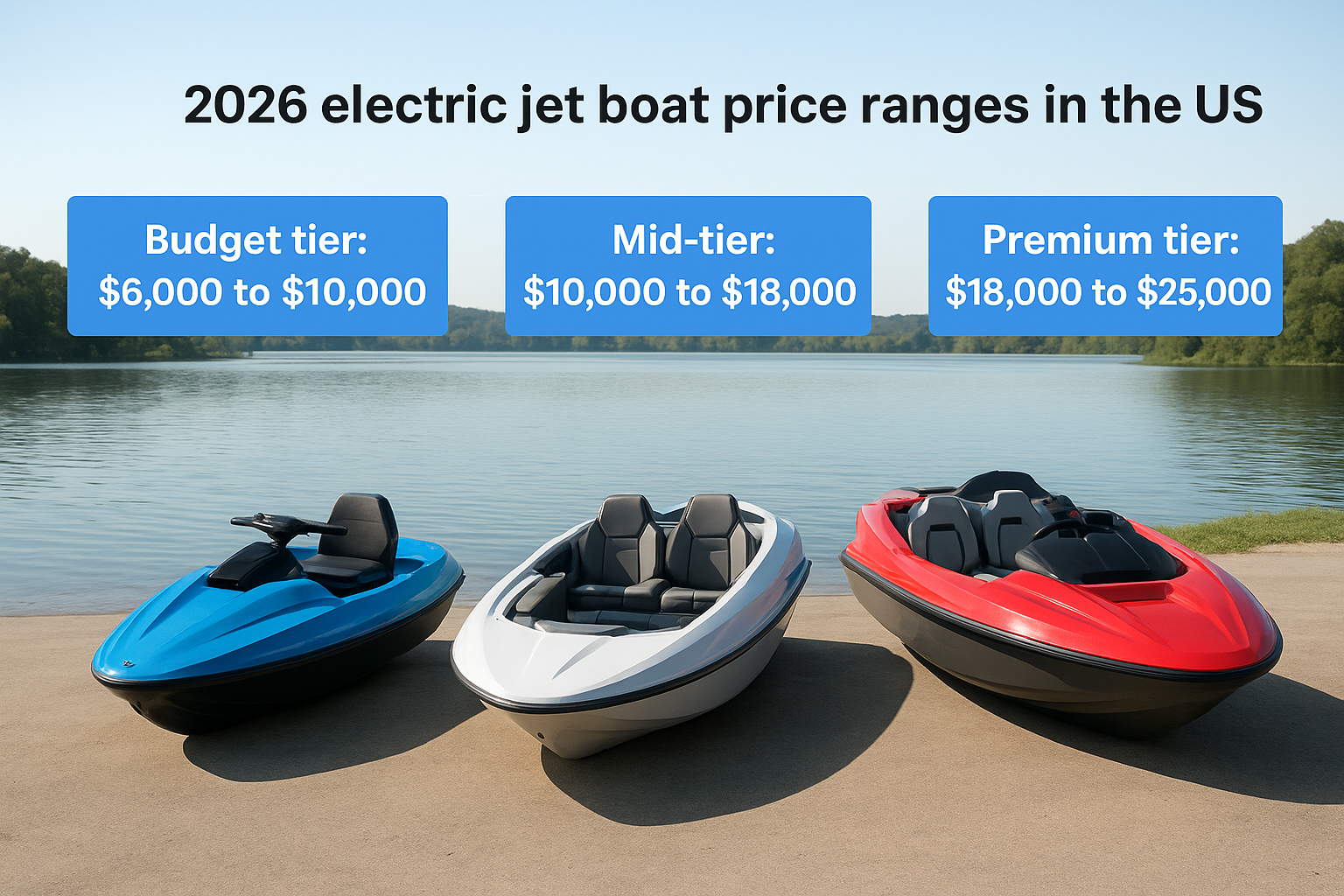
Shopping for an electric jet boat in 2026 means navigating three distinct price brackets that separate basic functionality from premium performance. The US market breaks down into budget models from $6,000 to $10,000, mid-tier builds between $10,000 and $18,000, and premium vessels starting at $18,000 and climbing past $25,000. Your choice depends on how much power you need, how often you'll ride, and whether portability matters more than passenger capacity. These ranges reflect retail prices before taxes, delivery fees, or optional accessories.
Budget tier: $6,000 to $10,000
You'll find personal electric jet boats designed for single or tandem riders in this entry bracket. These models typically carry 3 to 5 kWh batteries that deliver 30 to 50 minutes of ride time, paired with 5 to 10 kW motors that reach speeds between 25 and 35 mph. Wave-Vo's personal jet boat starts at $6,999 USD, offering a 75 kg (165 lb) hull and swappable battery packs for extended sessions. Most competitors at this electric jet boat price point use rotomolded polyethylene hulls to keep manufacturing costs down.
Brands targeting this segment prioritize portability and simplicity over long-range cruising or multi-passenger seating. You'll sacrifice advanced features like digital displays, Bluetooth speakers, or reinforced towing points, but you'll gain the ability to launch from any shoreline without trailer logistics. Import models from Southeast Asian manufacturers often undercut domestic brands by $1,000 to $2,000 but arrive with minimal warranty coverage and limited parts availability.
Mid-tier: $10,000 to $18,000
This bracket introduces fiberglass or composite hulls, 8 to 12 kWh battery systems, and 12 to 18 kW motors capable of 40 to 50 mph. You'll see two-seater designs with storage compartments, upgraded suspension seats, and waterproof electronics panels. Battery charging times drop from 8 hours to 3 or 4 hours with included Level 2 chargers. Some 2026 models in this range add swappable battery compatibility so you can keep spare packs charged at home and swap them in under 60 seconds.
"Mid-tier electric jet boats deliver the performance envelope most recreational riders need without the weight penalties or charging logistics that premium models require."
Premium tier: $18,000 to $25,000+
Premium vessels target buyers who want four to eight passenger capacity, 15 to 20+ kWh batteries, and motors pushing 25 kW or higher. You'll pay for features like carbon fiber reinforcement, dual motor configurations, integrated GPS navigation, and two to three hour ride times between charges. These boats require trailers for transport and often need 240V dedicated circuits for overnight charging. Luxury brands in this segment include extended warranties, concierge service, and delivery to your preferred launch site.
What you get at each price tier
Understanding what arrives in the box at different electric jet boat price points helps you avoid paying for features you'll never use or skipping critical upgrades you'll regret later. The cost differences between tiers reflect real performance gaps and build quality variations, not just marketing markup. You'll notice the jumps in battery longevity, speed capability, and construction durability as you move up the pricing ladder. Each tier targets distinct riding styles and ownership expectations that match specific buyer profiles.
Budget tier features and limitations
Your $6,000 to $10,000 investment buys you a functional personal watercraft with the core components needed for recreational riding. You'll receive a single-rider or tandem-capacity boat with a 3 to 5 kWh battery, basic throttle controls, and a hull designed for calm water conditions. The motor output stays between 5 and 10 kW, which delivers enough acceleration for wakeboarding behind larger boats or carving turns in protected bays. Most budget builds include a standard 120V wall charger that takes 6 to 8 hours to fully recharge the battery pack.
Construction quality at this level uses rotomolded polyethylene or entry-grade fiberglass layup that adds weight but reduces manufacturing costs. You won't find digital displays, smartphone connectivity, or adjustable performance modes. The jet pump components use marine-grade plastic impellers instead of stainless steel, which means you'll replace them more frequently if you hit submerged debris. Budget models sacrifice passenger comfort features like padded seats or footrests, focusing instead on getting you onto the water without trailer requirements or complex setup procedures.
Mid-tier upgrades and performance gains
Spending $10,000 to $18,000 moves you into composite hull construction and battery systems that double your ride time to 60 or 90 minutes. You'll gain 12 to 18 kW motors that push top speeds past 40 mph and cut 0-to-30 acceleration times in half compared to budget boats. Mid-tier packages typically include Level 2 charging systems that drop charge times to 3 or 4 hours, plus waterproof storage compartments and upgraded seating for two riders. You'll see digital instrument panels showing battery percentage, speed, and ride time remaining.
"The mid-tier segment delivers the most balanced value proposition in 2026, combining serious performance capability with manageable weight and charging logistics that fit typical ownership patterns."
Premium tier extras and who needs them
Premium boats starting at $18,000 target buyers who want multi-passenger capacity and extended range for full-day outings. You'll receive 15 to 20+ kWh batteries, dual motor configurations, and reinforced hulls rated for rough water conditions. These vessels add features like GPS navigation systems, Bluetooth audio, adjustable suspension seats, and integrated lighting for night operation. The build quality jumps to carbon fiber reinforcement, stainless steel hardware throughout, and professionally sealed electronics bays that handle saltwater exposure without corrosion damage over years of use.
The hidden costs: charging, storage, and upkeep
The sticker price on an electric jet boat represents just the starting point of your actual spending. You'll face ongoing expenses for electricity, storage space, battery maintenance, and component replacement that add up over the years. These recurring costs stay lower than gas boat ownership in most cases, but they still deserve careful calculation before you commit to a purchase. Understanding the full ownership picture helps you budget accurately and avoid surprises six months after you take delivery of your new watercraft.
Electricity costs and charging infrastructure
Your power bill increases between $2 and $8 per full charge depending on your battery capacity and local electricity rates. A 5 kWh battery pack costs roughly $0.60 to $1.50 to charge at the national average of 12 to 15 cents per kWh, while larger 15 to 20 kWh systems run $1.80 to $3.00 per session. Riders who launch three times per week during a 20-week summer season spend $35 to $180 annually on electricity, compared to $400 to $800 in fuel costs for comparable gas-powered watercraft.
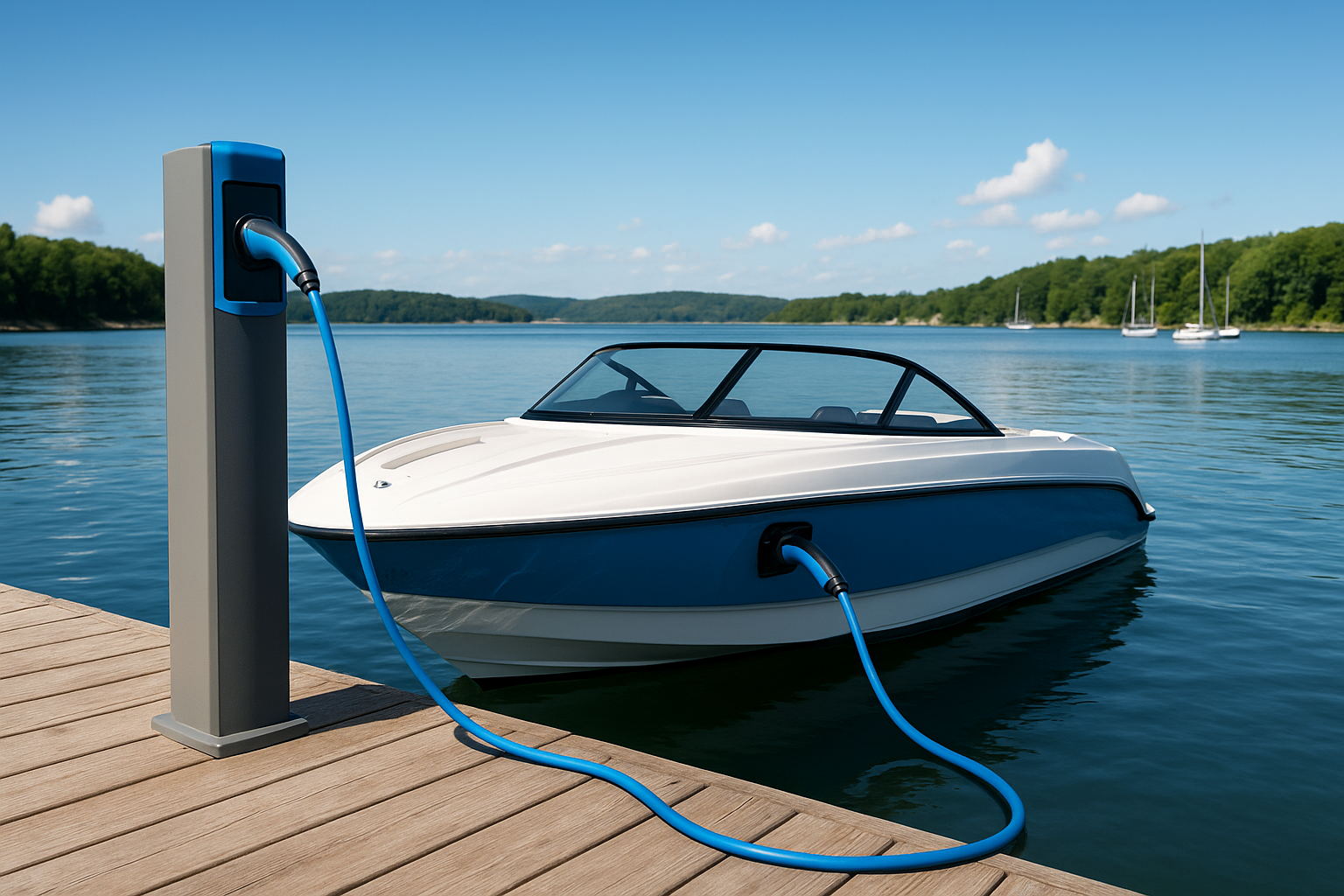
Installing a dedicated Level 2 charging circuit adds $500 to $1,200 in upfront electrician fees if your garage or storage area lacks a 240V outlet. This investment cuts your charging time from 8 hours down to 3 or 4 hours, which matters if you want to ride twice in one day. You'll also need weatherproof extension cords rated for outdoor use if you charge near the water, adding another $40 to $80 to your setup costs.
"The total electricity cost to operate an electric jet boat for a full season equals what most gas boat owners spend filling up just two or three times."
Storage and winter preparation
Keeping your boat protected from weather and theft requires either dedicated garage space or a covered storage unit. Indoor storage facilities near popular lakes charge $50 to $150 per month during the off-season, totaling $300 to $900 annually if you store for six winter months. You'll need to remove the battery pack and store it indoors at 40 to 70 percent charge to prevent capacity loss, which means finding space for a 30 to 80 pound battery box in your home or heated garage.
Maintenance intervals and replacement parts
Battery packs degrade to 80 percent capacity after 500 to 1,000 charge cycles depending on the chemistry and your charging habits. You'll face a $1,500 to $4,000 replacement cost after three to five years of regular use, which represents the single largest long-term expense beyond the initial electric jet boat price. Jet pump impellers wear out every 100 to 200 hours of operation and cost $150 to $400 to replace, while hull repairs from impacts run $200 to $600 depending on the damage severity and material type.
Importing vs buying local: fees, risk, and support
Buying an electric jet boat from overseas manufacturers can slash the base price by $2,000 to $5,000 compared to domestic brands, but you'll face additional costs and complications that often erase those savings. Import models from China, Vietnam, and Thailand dominate the sub-$8,000 market in 2026, arriving through container shipping or air freight depending on the seller's distribution network. You'll pay customs duties, shipping charges, and potential modification fees to meet US Coast Guard safety requirements before you can legally operate the boat. Understanding these hidden expenses helps you calculate the true electric jet boat price instead of just comparing website numbers.
Import fees and customs duties
Your imported watercraft faces a 2.5 to 6 percent customs duty rate depending on the country of origin and current trade agreements, plus shipping costs that range from $400 to $1,200 per unit. Container shipping from Asia takes 30 to 60 days and costs less per boat, while air freight cuts delivery time to 7 to 14 days but doubles the transportation expense. You'll also handle port fees, inland trucking charges, and inspection costs that add another $200 to $500 to your total. Some sellers advertise "delivered to door" pricing that includes these fees, but you still need to verify what's covered before you commit to a purchase.
Battery packs shipped separately face lithium-ion transport restrictions that increase your costs and delay delivery timelines. Airlines limit battery capacity per shipment, forcing some importers to ship power systems via ocean freight even when the hull arrives by air. You'll wait an extra two to four weeks for battery delivery in these cases, and you'll pay storage fees if the hull arrives first and sits at a warehouse waiting for its power source.
Warranty coverage and repair logistics
Domestic brands offer one to three year warranties with local service centers that handle repairs within days or weeks. Imported boats typically include six month to one year warranties that require you to ship defective components back to Asia at your expense, creating repair timelines of four to eight weeks. You'll struggle to find replacement parts for lesser-known import brands after the first year, while established US manufacturers maintain parts inventory and publish repair manuals for owner-performed maintenance.
"The $3,000 you save buying an import can disappear in a single warranty claim if you're paying international shipping both ways plus weeks of downtime during peak riding season."
Support differences extend beyond just warranty service. You'll get phone and email assistance in your time zone from domestic sellers, while import companies often operate with 12-hour time zone gaps that slow down troubleshooting. Technical documentation for imported models arrives in translated English that sometimes omits critical safety procedures or maintenance intervals, leaving you to figure out proper care through trial and error.
How to set a budget and compare options
Setting a realistic budget starts with calculating total five-year ownership costs instead of just comparing sticker prices. You'll need to account for electricity expenses, battery replacement reserves, storage fees, and insurance premiums that vary by boat value and your location. Most riders underestimate these ongoing costs by 30 to 40 percent, which creates financial strain two or three seasons into ownership when unexpected repair bills arrive or battery capacity drops below usable levels.
Start with total cost of ownership
Your budget spreadsheet should include the initial purchase price, delivery fees, and setup costs like charging equipment installation or trailer purchases if needed. Add annual expenses for electricity based on your expected ride frequency, storage rental if you lack garage space, and insurance that typically runs $200 to $600 per year depending on the electric jet boat price and your coverage limits. Factor in a battery replacement fund of $300 to $800 per year so you're prepared when capacity drops after 500 to 1,000 charge cycles. Calculate the five-year total and divide by 60 months to see your true monthly cost of ownership.
"Buyers who budget only for the purchase price often face difficult choices three years later when battery replacement costs force them to either invest another $2,000 or sell a boat with diminished range."
Match specs to your riding patterns
Compare battery capacity against your typical session length and frequency rather than just looking at kilowatt-hour numbers. You'll waste money on a 15 kWh system if you ride for 45 minutes twice a week, while a 5 kWh battery with swappable capability serves you better at half the cost. Motor power matters most for riders who want sustained high speeds above 40 mph, but adds unnecessary expense if you spend most of your time carving turns at 25 to 30 mph. Write down your actual usage patterns from past seasons with rental equipment or borrowed watercraft, then match those numbers to boat specifications instead of buying capability you'll never use.
Test before you buy when possible
Schedule demo rides with local dealers or rental operators who stock multiple brands and power levels so you can feel the performance differences firsthand. You'll discover whether a lighter hull or a heavier build suits your launch conditions and storage situation. Compare charging speeds between models by timing how long each takes to reach 80 percent capacity, since this metric affects your ability to ride twice in one day during peak season.
Where to go from here
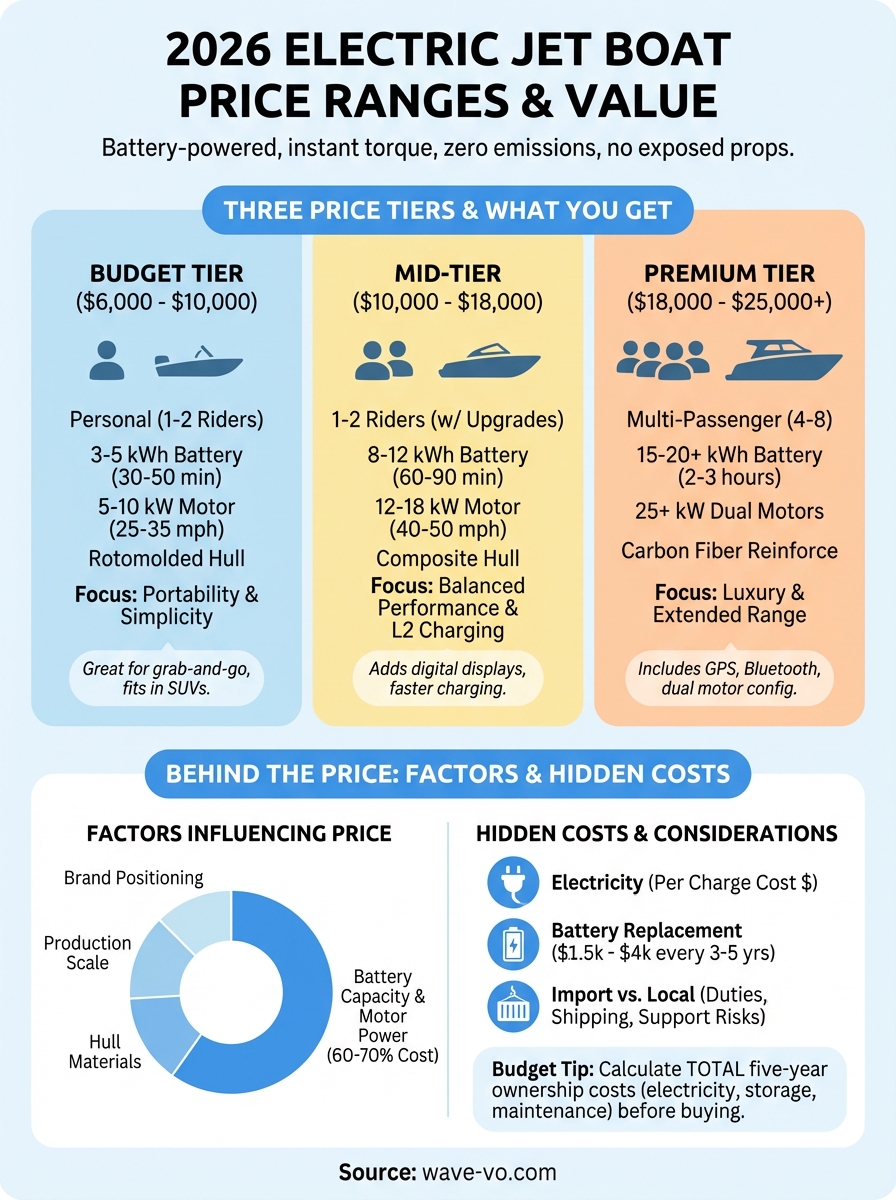
You now understand the full electric jet boat price spectrum from $6,000 budget models to $25,000+ premium vessels, plus the hidden costs that affect your total ownership expense over multiple years. The numbers show that entry-level boats deliver serious performance without the trailer logistics or maintenance complexity that gas-powered alternatives demand. Your next step depends on whether you prioritize portability for quick launches or passenger capacity for family outings on the water.
If you want a grab-and-go personal watercraft that fits inside your SUV and delivers go-kart handling on water, explore Wave-Vo's electric jet boat built around swappable batteries and a 75 kg (165 lb) hull. You'll skip the trailer investment entirely and launch from any shoreline in under two minutes. Compare our detailed specifications against larger models to see which format matches your typical riding sessions and storage situation best.
Wave-Vo specs FAQ
What is the top speed of the Wave-Vo electric mini jet boat?
The Wave-Vo electric mini jet boat reaches exhilarating speeds of up to 60 km/h.
What motor powers the Wave-Vo electric mini jet boat?
The boat boasts a powerful 15 kW electric motor.
How much does the Wave-Vo hull weigh?
The hull weighs 75 kg (165 lb) without the battery.
What material is the Wave-Vo hull made from?
The robust design utilizes high-quality ABS plastic that ensures both durability and safety in demanding water conditions.
Who is the Wave-Vo electric mini jet boat designed for?
This watercraft caters to adults eager to elevate their water sports experience, including thrill-seekers and those wanting a leisurely yet exciting ride.